The COVID-19 pandemic brought about significant changes in the way we work, accelerating the adoption of remote work and flexible working arrangements. As organizations navigate the post-pandemic landscape, hybrid working has emerged as a popular model that combines the best of both worlds – remote work and in-person collaboration. This shift towards hybrid working is revolutionizing the physical office, transforming it into a dynamic space that supports collaboration, creativity, and employee well-being.
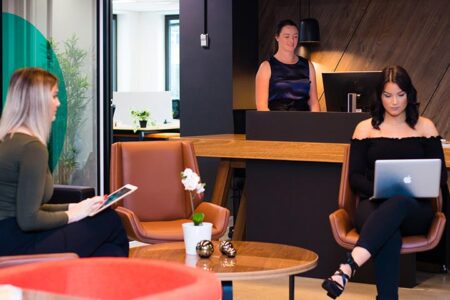
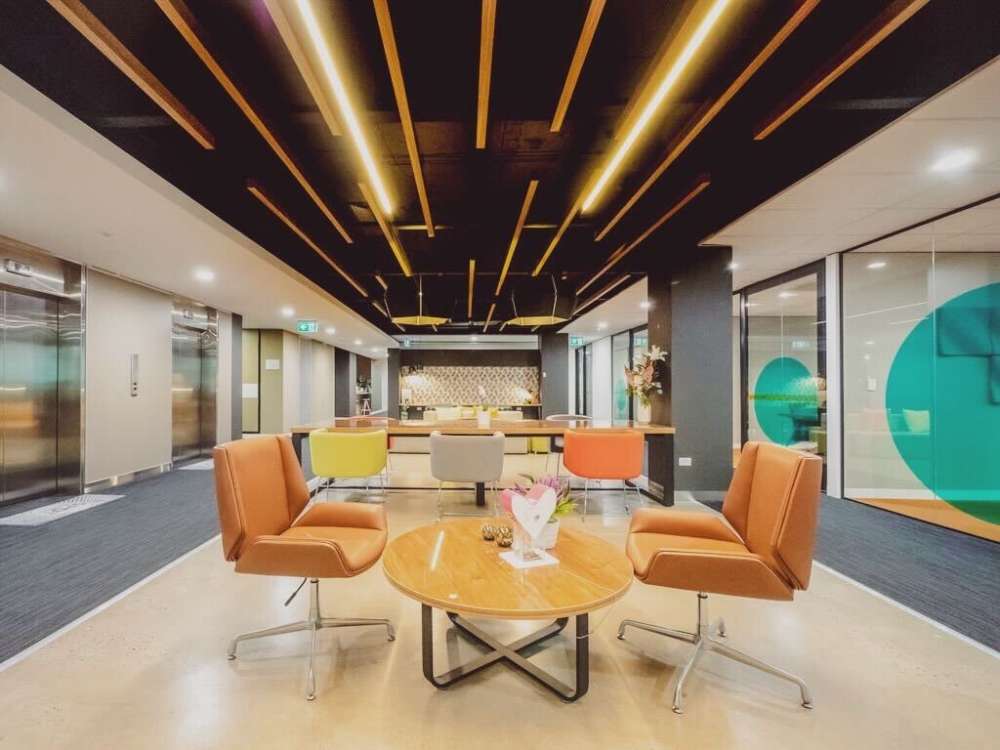
Redefining Office Space: Hybrid working has led organizations to rethink the traditional office layout. With a portion of the workforce working remotely, office spaces are being redesigned to prioritize collaborative areas over individual workstations. The physical office is being transformed into a hub for team meetings, brainstorming sessions, and project collaborations. Open-plan layouts, flexible workstations, and multipurpose spaces are becoming more prevalent, enabling employees to work together effectively when they are in the office.
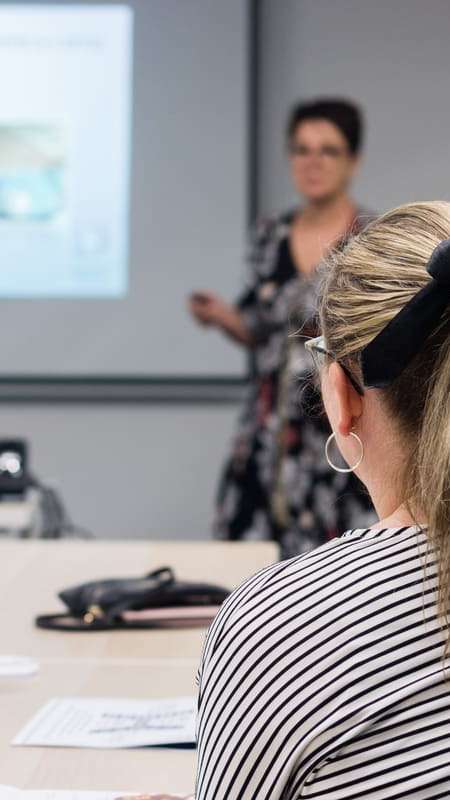
Embracing Technology: To support hybrid working, organizations are investing in advanced technology and digital infrastructure. High-speed internet, video conferencing tools, and collaborative platforms are essential for seamless communication and virtual collaboration. The physical office is being equipped with state-of-the-art audiovisual systems, interactive displays, and video conferencing facilities to bridge the gap between remote and in-person employees. These advancements in technology enhance communication and facilitate effective collaboration, regardless of an employee’s physical location.

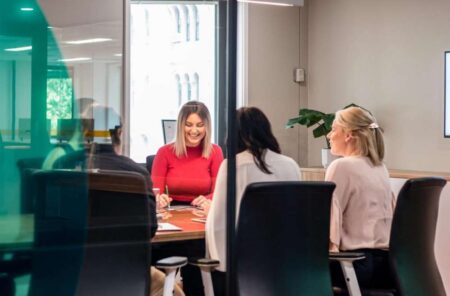
Creating Spaces for Collaboration: Hybrid working recognizes the importance of face-to-face interactions for innovation and creativity. Physical offices are being redesigned to create spaces that foster collaboration and spontaneous interactions. Collaborative zones, such as meeting rooms, breakout areas, and communal spaces, are being optimized for team discussions, brainstorming sessions, and informal conversations. These spaces serve as catalysts for idea exchange, building relationships, and enhancing teamwork, which are crucial for organizational success.
Prioritizing Employee Well-being: The hybrid working model also emphasizes employee well-being, recognizing that a healthy and engaged workforce is essential for productivity and success. Physical offices are being transformed into spaces that promote employee wellness. Organizations are incorporating elements like natural lighting, ergonomic furniture, green spaces, and relaxation areas to create a positive and comfortable work environment. The physical office becomes a space where employees can connect, collaborate, and recharge, promoting work-life balance and overall well-being.
Flexibility and Choice: Hybrid working provides employees with greater flexibility and autonomy in choosing where they work. The physical office becomes a place where employees can come together for specific purposes, rather than a mandatory daily destination. This flexibility allows employees to balance work and personal commitments while reducing commuting time and associated stress. The physical office, as a result, becomes a destination that employees look forward to, fostering a sense of belonging and engagement.
The rise of hybrid working is revolutionizing the physical office, reimagining its purpose and design. It is transforming the traditional workplace into a dynamic, collaborative, and employee-centric space. By embracing technology, creating spaces for collaboration, and prioritizing employee well-being, organizations are harnessing the benefits of hybrid working to foster innovation, productivity, and a positive work culture. As we navigate the new era of work, the physical office will continue to evolve, adapting to the changing needs and preferences of employees, and remaining a vital component of the modern work ecosystem.